
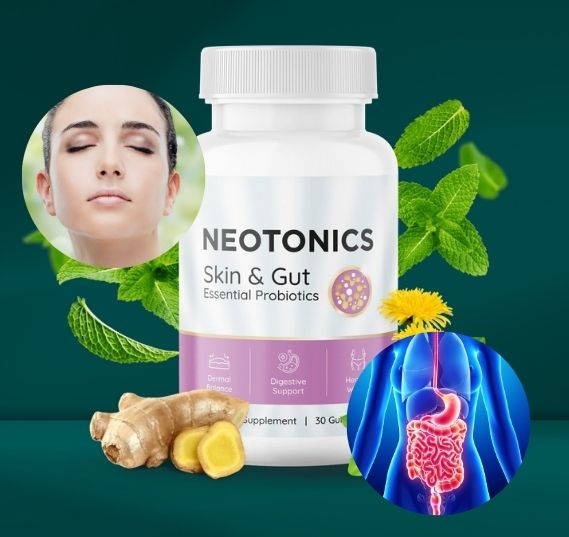
What is the gut–skin axis?
The gut–skin axis is a research framework describing two-way communication among the intestinal microbiome, immune signaling, metabolism, the nervous system, and the skin barrier. These pathways are biologically plausible and actively studied, but an association does not prove that changing the gut will produce a specific skin result.
Four levels of evidence to keep separate
A. Established biological pathways
The intestine and skin are barrier organs. Microbial metabolites, nutrient availability, immune mediators, stress signaling, and systemic inflammation can influence tissues beyond the digestive tract. Short-chain fatty acids produced when microbes ferment fiber are one plausible signaling route. These mechanisms support the gut–skin concept; they do not establish a cosmetic outcome for a particular supplement.
B. Observational associations
Human studies report associations between microbiome composition and several dermatologic conditions. Observational findings identify patterns, but cannot show whether a microbiome difference caused a condition, resulted from it, or reflects diet, medication, age, geography, or another factor.
C. Ingredient research
Specific probiotic strains, prebiotic fibers, and dietary patterns have been evaluated in laboratory, animal, and human studies. Results are ingredient-, strain-, dose-, population-, and outcome-specific. Evidence for one strain or dose should not be transferred automatically to another product.
D. Finished-product evidence
The strongest product claim would require controlled research on the finished formulation. We did not identify large independent clinical trials demonstrating that Neotonics treats acne, eczema, rosacea, wrinkles, or inflammatory skin disease. Product expectations should stay within dietary-supplement and general-wellness boundaries.
How the gut microbiome may communicate with skin
- Immune signaling: intestinal microbes interact with immune cells and inflammatory mediators.
- Microbial metabolites: fermentation products can enter circulation and participate in systemic signaling.
- Nutrient metabolism: the microbiome helps process components of food and can influence nutrient availability.
- Barrier function: intestinal and skin barriers respond to nutrition, inflammation, stress, and environmental exposures.
- Stress pathways: sleep and psychological stress can affect digestive symptoms, immune activity, and skin behavior.
Practical ways to support gut and skin wellness
Use habits with broad health value rather than chasing a guaranteed skin response: eat a varied fiber-rich diet as tolerated, include fermented foods if appropriate, sleep consistently, exercise, avoid smoking, manage stress, and use evidence-based topical care and sun protection. Seek qualified care for persistent digestive or skin symptoms.
Where Neotonics fits
Neotonics Skin & Gut is a once-daily dietary-supplement gummy. Its label lists 500 million CFU of Bacillus coagulans plus a 430 mg proprietary botanical blend containing the prebiotic inulin. Those ingredient guides separate label facts from strain-, dose- and population-specific research. The formulation is relevant to digestive-wellness conversations, but ingredient rationale is not finished-product proof and does not make the product a treatment.
Review the concise Neotonics ingredient label and separate ingredient evidence guide before deciding whether the formula fits your routine.
Research and evidence quality
- Gut microbiome as a major regulator of the gut–skin axis.
- The gut–skin axis in health and disease.
- Diet, microbiome, and skin health review.
The gut and skin communicate through credible biological pathways. Evidence becomes less certain when moving from mechanisms to associations, from individual ingredients to a proprietary blend, and from a blend to a promised visible result.
Check the label before the claims.
Compare formula facts, serving size, safety considerations, and evidence boundaries.