

Neotonics combines 500 million CFU of Bacillus coagulans with a 430 mg proprietary gut-health blend containing nine plant ingredients. The probiotic amount is stated separately. The label confirms the combined botanical-blend amount, but not the quantity of each plant.
That distinction matters: ingredient research provides context, but it cannot establish the dose or effect of every component in the finished gummy.
The formula at a glance
Use the label on the bottle you receive as the controlling source. Formulations, directions, and warnings can change after an online page is published.
How the formula is organized
Probiotic foundation
Bacillus coagulans is the only microorganism named with a specific CFU amount.
Prebiotic support
Inulin and dandelion add fermentable or fiber-associated plant components.
Botanical context
Seven additional herbs and mushrooms broaden the formula’s traditional wellness profile.
The intended logic is complementary: probiotic support for microbial balance, prebiotic nourishment, and botanicals selected for digestive or whole-body wellness context. This is a formulation concept—not proof that the combination treats a skin or digestive condition.
Ingredient-by-ingredient guide
Each card below connects the photograph to useful label information. The “formula role” describes why the ingredient may fit the product concept; it is not a guaranteed outcome.
Probiotic · 500 million CFUBacillus coagulans
A spore-forming probiotic used in digestive-wellness products. Its spore structure is relevant to stability through manufacturing and digestion.
- Formula role
- Microbiome and digestive support
- What the label tells us
- 500 million CFU per gummy
- Evidence boundary
- Strain, dose, population, and outcome matter when interpreting probiotic studies.
 Botanical
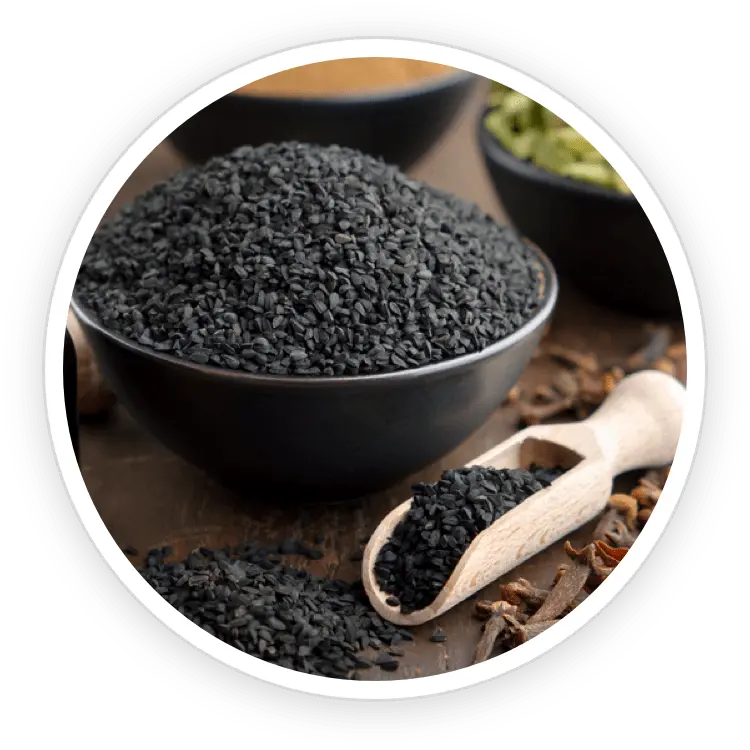
Babchi
Babchi, or Psoralea corylifolia, has a long history in traditional wellness practices, including skin-related use.
- Formula role
- Botanical skin-wellness context
- What remains unknown
- The individual amount in the proprietary blend
Do not equate the whole plant automatically with purified bakuchiol or with evidence from a topical product.
 Prebiotic pair
Inulin & Dandelion
Inulin is a fermentable prebiotic fiber used by certain gut microbes. Dandelion contributes plant compounds and has traditional digestive use.
- Formula role
- Prebiotic nourishment and digestive context
- Tolerance note
- Changes in fermentable fiber can cause temporary gas or bloating.
 Digestive botanical
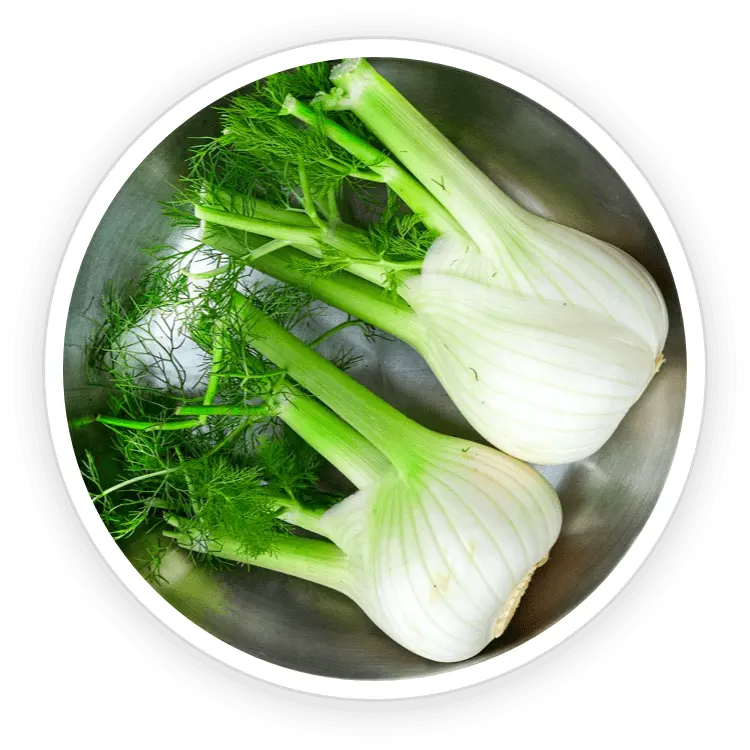
Fennel
Fennel is used as both food and a traditional digestive herb. Its aromatic compounds explain its long-standing association with after-meal comfort.
- Formula role
- Traditional digestive support
- Evidence boundary
- Traditional use does not establish a cosmetic result from the gummy.
 Seed botanical
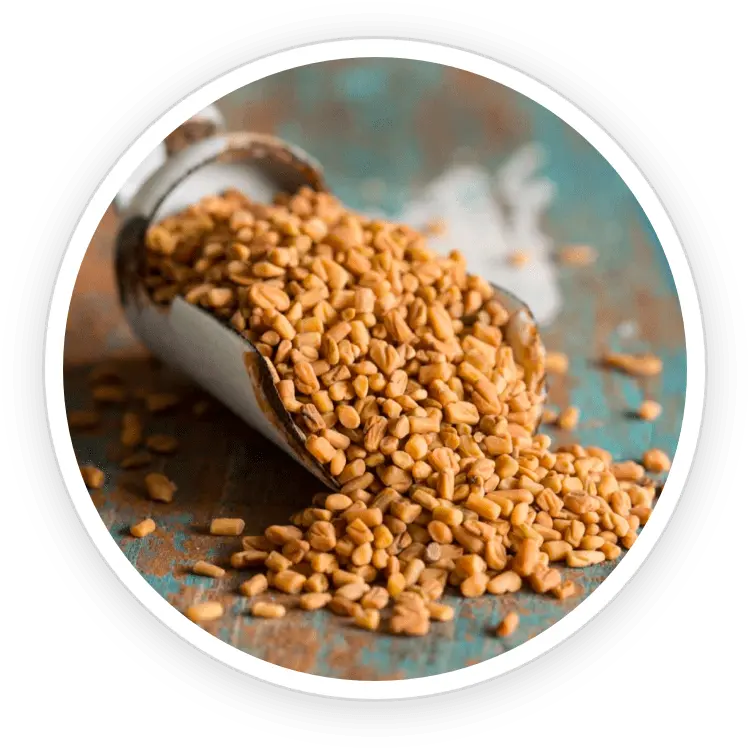
Fenugreek
Fenugreek is a culinary seed with fiber and naturally occurring plant compounds. It appears in research and traditional practices related to metabolic and digestive wellness.
- Formula role
- Broad plant-based wellness support
- What remains unknown
- Its individual dose in this blend
 Aromatic herb
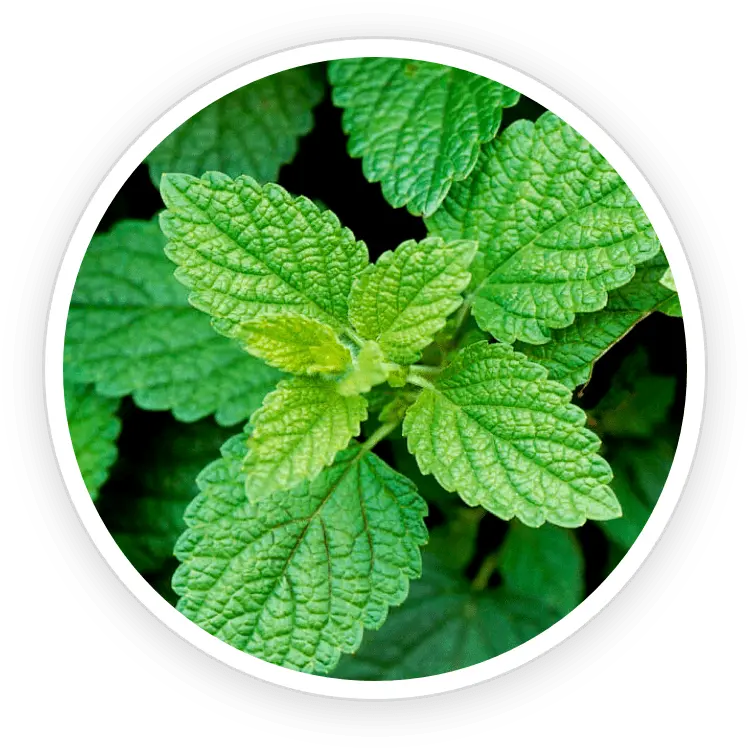
Lemon Balm
Lemon balm is traditionally associated with calm and digestive comfort. In this formula, it contributes to the broader botanical profile rather than acting as the primary probiotic component.
- Formula role
- Traditional calm and digestive context
- Evidence boundary
- No individual quantity is disclosed.
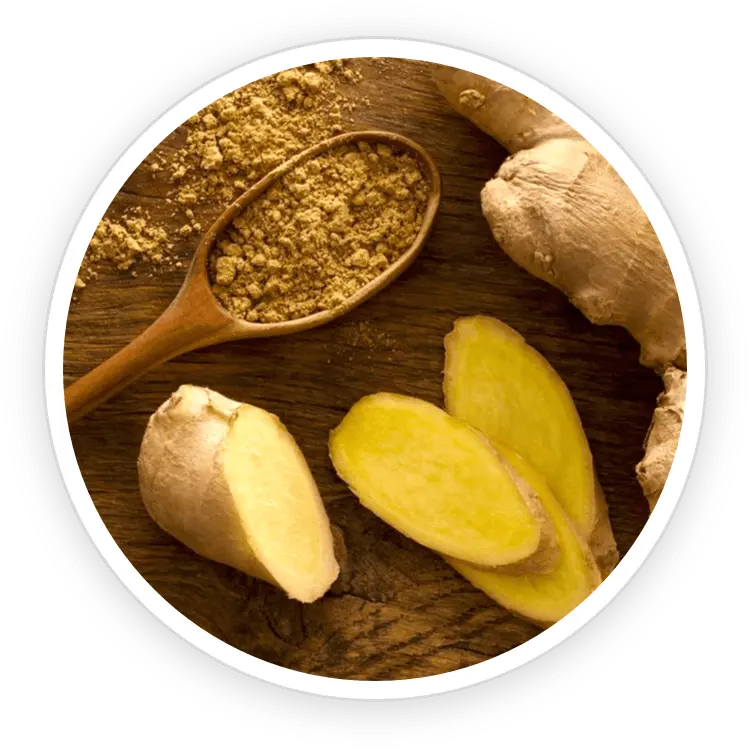 Organic root
Organic Ceylon Ginger
Ginger is widely used in food and digestive-wellness routines. It contains pungent plant compounds studied in several digestive contexts.
- Formula role
- Digestive and antioxidant context
- Important distinction
- Research on ginger does not mean Neotonics treats nausea or gastrointestinal disease.
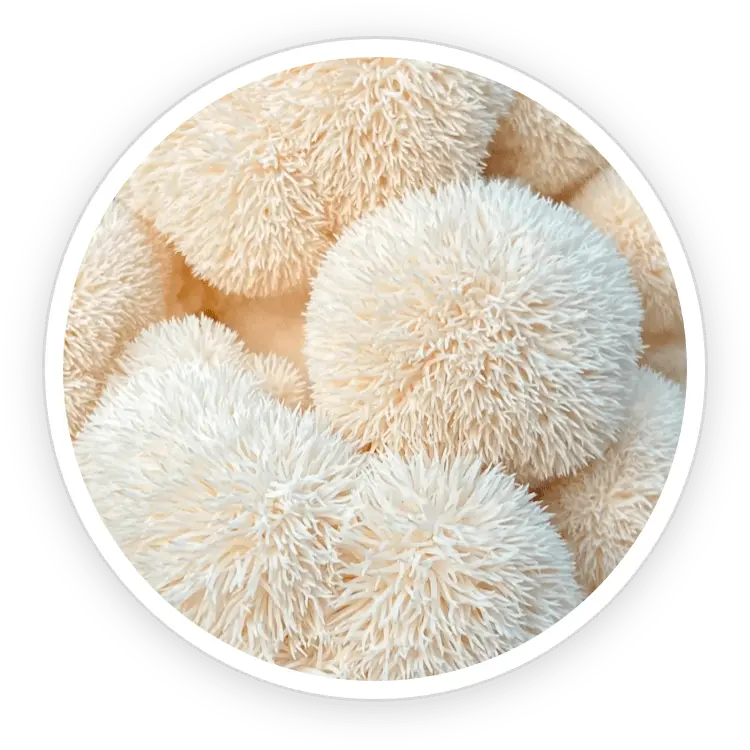 Functional mushroom
Organic Lion’s Mane
Lion’s mane is an edible mushroom more commonly discussed in cognitive and general-wellness research than in direct skin research.
- Formula role
- Broad functional-mushroom support
- Evidence boundary
- Its presence should not be converted into a guaranteed cognitive or skin claim.
 Bark botanical
Slippery Elm Bark
Slippery elm contains mucilage-forming fiber and has traditional use for soothing digestive tissues.
- Formula role
- Traditional digestive comfort
- Safety context
- Ask a pharmacist or clinician about medicine timing or personal interaction concerns.
Reading the Supplement Facts panel
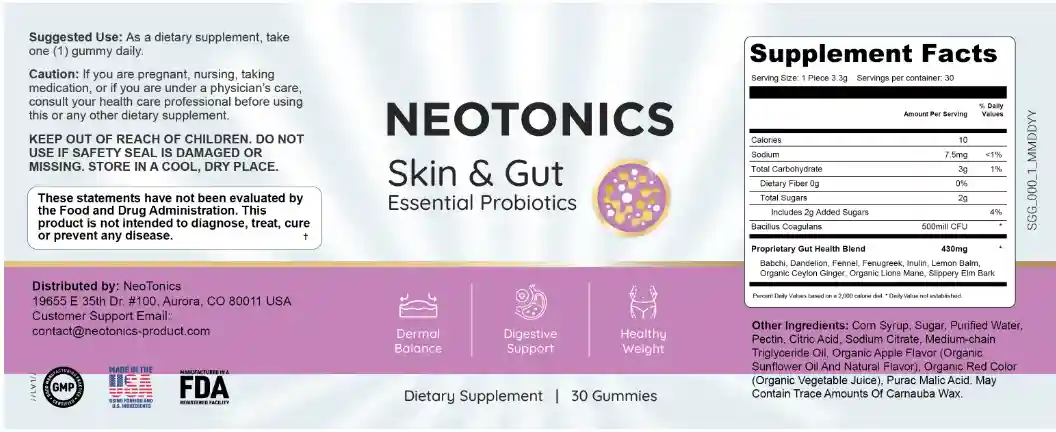
What the panel confirms
- One gummy per serving
- 500 million CFU of Bacillus coagulans
- 430 mg proprietary gut-health blend
- 10 calories and 2 g added sugar
What it does not disclose
- The amount of each botanical
- Whether every ingredient matches a research dose
- A guaranteed digestive or skin outcome
- A fixed results timeline
Why “proprietary blend” matters
A proprietary blend can protect a manufacturer’s formulation, but it limits dose transparency. You know the combined amount and the ingredient names—not how the 430 mg is divided. This makes it inappropriate to claim that a specific botanical is present at the same dose used in a study.
Other ingredients in the gummy
The featured probiotic and botanicals are not the complete ingredient list. The published label also includes components that create the gummy’s taste, color, texture, acidity, and stability.
These ingredients can matter for allergies, sensitivities, dietary preferences, and sugar intake. A formula should be evaluated as a whole—not only by its most marketable ingredients.
How the components are intended to fit together
- Introduce a stable probiotic.Bacillus coagulans supplies the formula’s named microorganism.
- Provide prebiotic context.Inulin and dandelion add fermentable or fiber-associated components.
- Broaden the botanical profile.Herbs and mushrooms contribute traditional digestive and general-wellness context.
- Support a consistent routine.The one-gummy format is designed for daily use according to the label.
This proposed synergy is a product-design rationale. It should not be described as clinical proof that the finished combination produces a particular result.
Ingredient evidence versus product evidence
Ingredient research can help explain
- Why probiotics are used for digestive support
- How prebiotic fibers interact with gut microbes
- Traditional and nutritional uses of botanicals
- Potential tolerance or interaction questions
Ingredient research cannot prove
- That the finished gummy treats a condition
- That an undisclosed botanical dose matches a study
- That every user will experience a visible change
- That results will follow a fixed schedule
See the site’s research library for source context. When reading a study, check the exact strain or plant extract, dose, duration, population, comparison group, and measured endpoint.
Safety, tolerance, and interactions
Probiotics and changes in fermentable fiber can cause temporary gas, bloating, or bowel-pattern changes in some people. Botanicals and mushrooms may also be unsuitable for certain individuals.
Get individualized advice before use if you are:
- Pregnant or nursing
- Taking medication or preparing for surgery
- Immunocompromised or managing a medical condition
- Considering the product for a minor
- Concerned about allergies or interactions
Stop use and seek care for significant or allergic symptoms. This guide cannot replace personal medical advice.
Frequently asked questions
What is the main probiotic in Neotonics?
Bacillus coagulans, listed at 500 million CFU per one-gummy serving.
Does the label show every ingredient amount?
No. The probiotic amount is listed separately, while nine plant ingredients share a combined 430 mg proprietary-blend amount.
Which ingredient is responsible for skin results?
The label does not establish one ingredient as responsible for a cosmetic result. Skin appearance is influenced by many factors, and no specific result is guaranteed.
Are all of the ingredients “natural”?
The formula contains a probiotic, plant ingredients, and other gummy-making ingredients. “Natural” is not a precise safety standard; the complete label is more useful.
Can the ingredient list change?
Yes. Use the label on the bottle received as the current source for ingredients, amounts, warnings, and suggested use.
The bottom line
Neotonics has a clear probiotic-led concept, but the label provides different levels of transparency for different components. The amount of Bacillus coagulans is stated; individual botanical quantities are not. A high-quality evaluation should therefore combine label reading, realistic expectations, personal safety considerations, and careful interpretation of ingredient research.
For a faster visual reference without the full article, visit the Neotonics ingredients and Supplement Facts page.
Return to the Neotonics probiotic gummies overview for packages and current product facts.